
Stainless Steel Passivation Before-and-after Comparison
For stainless steel parts with weld discoloration, surface oxidation, light rust spots and insufficient corrosion resistance, Minghan established a cleaning, activation, passivation, rinsing and drying process to improve surface cleanliness and corrosion resistance.
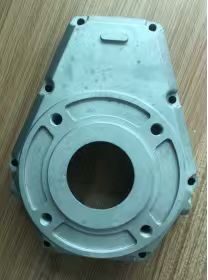
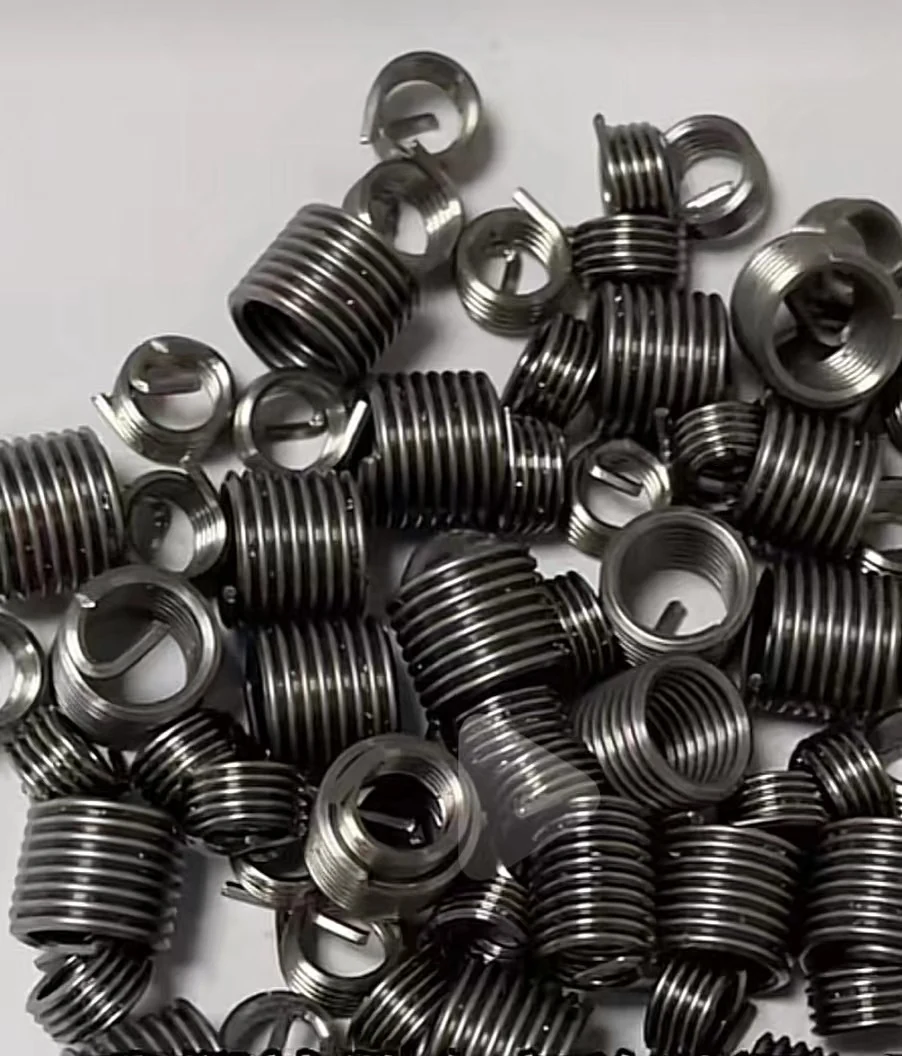
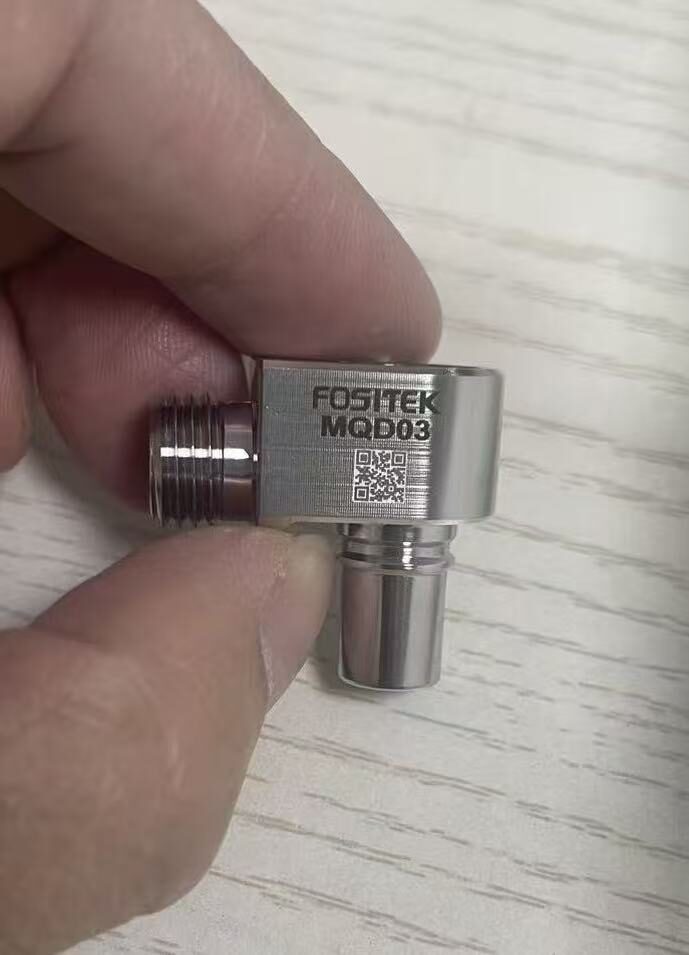 Before Passivation
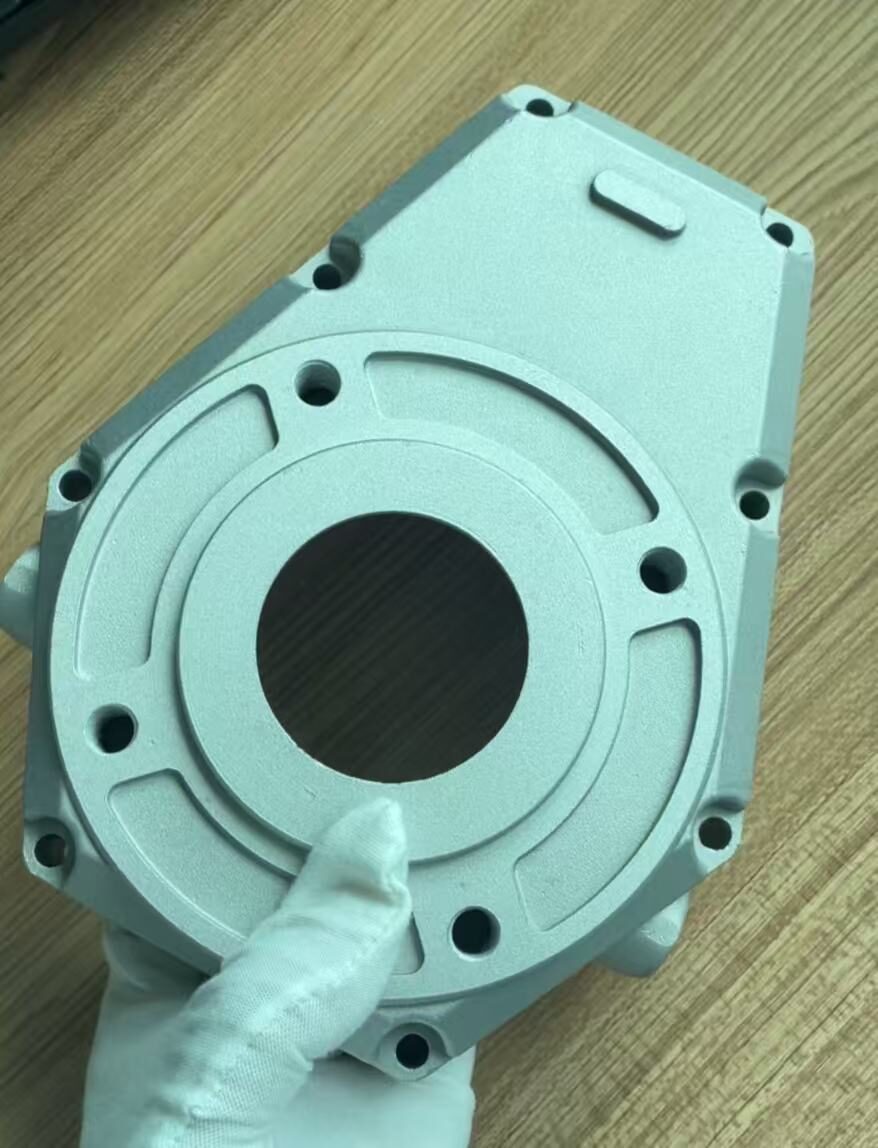
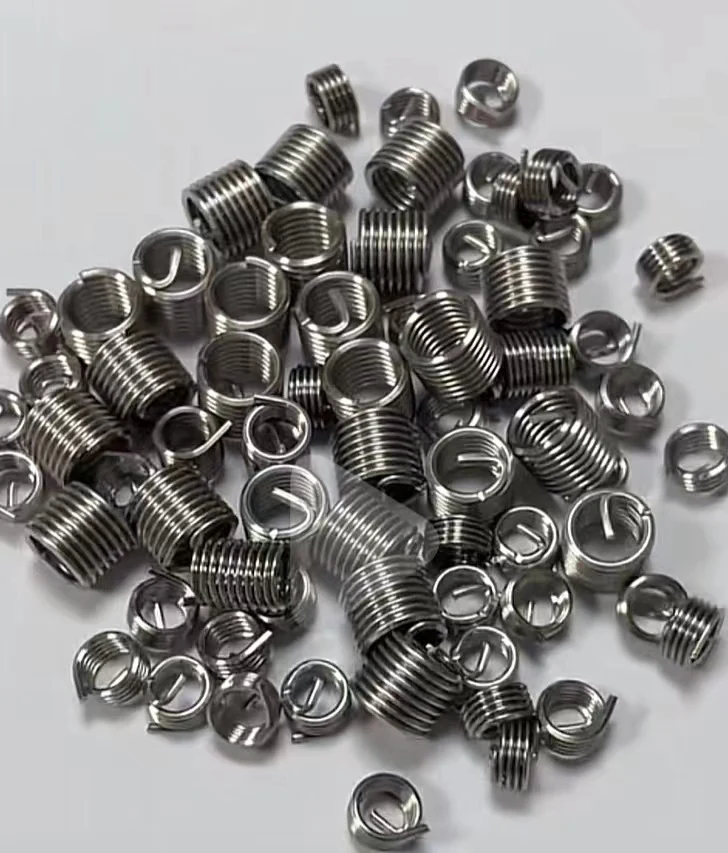
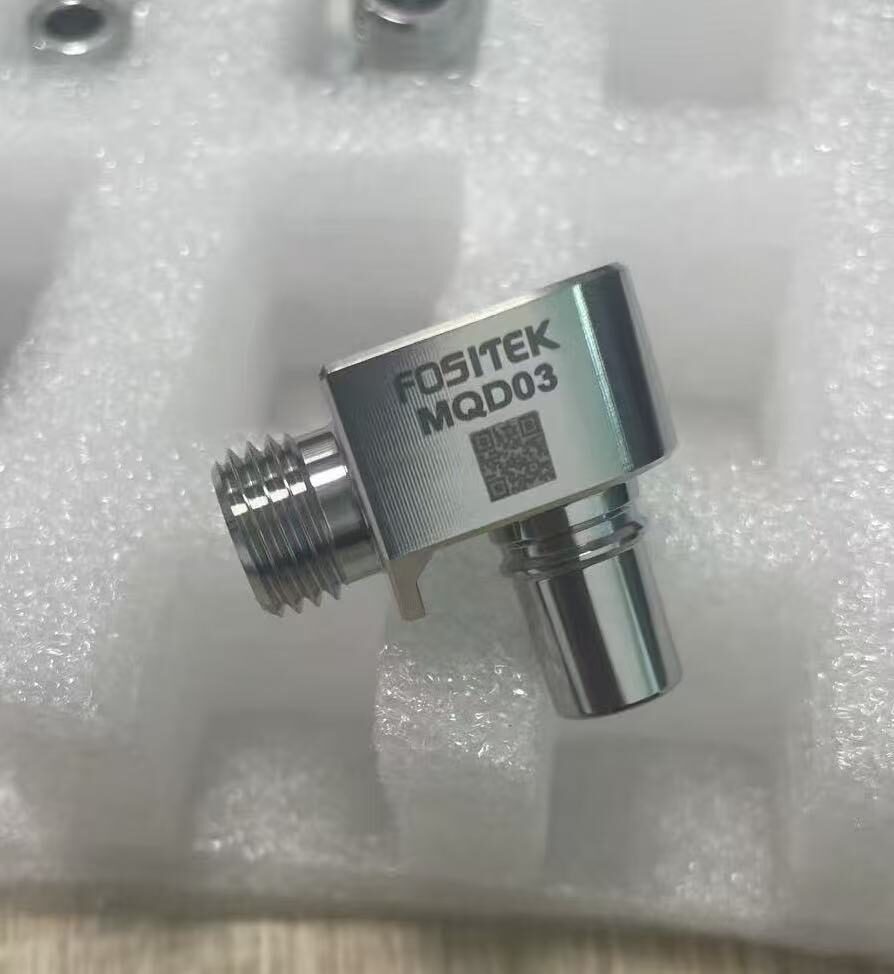 After Passivation
Case Overview
The customer’s stainless steel hardware and equipment components showed weld discoloration, local darkening, surface residues and potential rust risk after fabrication. Minghan Chemical provided a stainless steel passivation process based on material condition, surface contamination and service environment, helping improve corrosion resistance while keeping the original stainless steel appearance stable.
Customer Challenge
The workpieces had machining oil, weld marks, oxide film and localized rust spots. Direct shipment could lead to unstable appearance, rust during storage or transport, and insufficient corrosion resistance. The customer also required a process suitable for batch production with consistent surface quality.
Solution
Minghan recommended a process of degreasing, rinsing, surface activation, stainless steel passivation, thorough rinsing and drying. The pretreatment removes oil, loose rust and surface contamination, while the passivation step forms a stable protective film on the stainless steel surface.
Result
After treatment, the parts showed a cleaner and more uniform stainless steel surface. Weld discoloration and oxidation marks were visibly reduced, and the passivation film improved corrosion resistance stability, reducing the risk of rust during storage, transport and use.
Implementation Process
Sample review
Confirm stainless steel grade, oxidation level, weld marks and corrosion resistance target.
Pretreatment cleaning
Remove machining oil, dust, fingerprints and surface contaminants for stable passivation.
Passivation treatment
Match chemical concentration, temperature and treatment time to form a uniform passive film.
Rinsing and drying
Rinse thoroughly and dry promptly to reduce water marks, residues and secondary contamination.
Result verification
Check appearance, cleanliness and corrosion resistance to define repeatable batch parameters.
Case Information
Surface condition
Improved from dark oxidation and local rust spots to a cleaner, more uniform stainless steel finish
Corrosion resistance
More stable passive film helps reduce rust risk during storage and service
Process compatibility
Suitable for immersion, circulation or batch basket processing
Delivery value
Reduces manual rework and improves batch shipment consistency
Related Industries
Related Products
Downloads
Stainless Steel Passivation Case Brief
FAQ
Need to evaluate a similar process?
Share your material, current process and test target for product combination and sample validation support.