
Stainless Steel Hardware Degreasing and Cleaning Before-and-after Comparison
For stainless steel hardware with machining oil, fingerprints, dust and polishing residue, Minghan established a stainless steel degreasing, rinsing and drying process to improve surface cleanliness, appearance consistency and subsequent passivation stability.
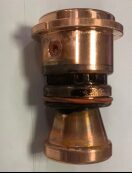
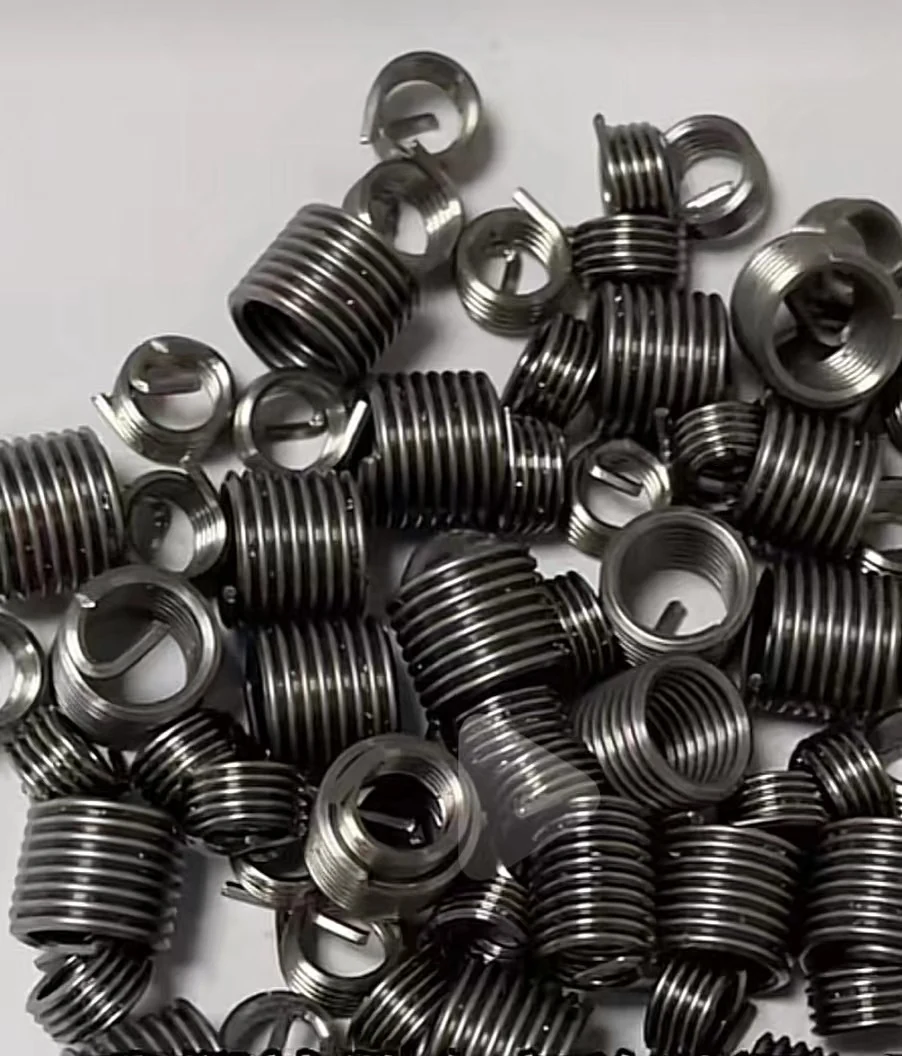 Before
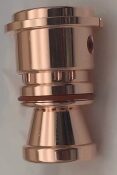
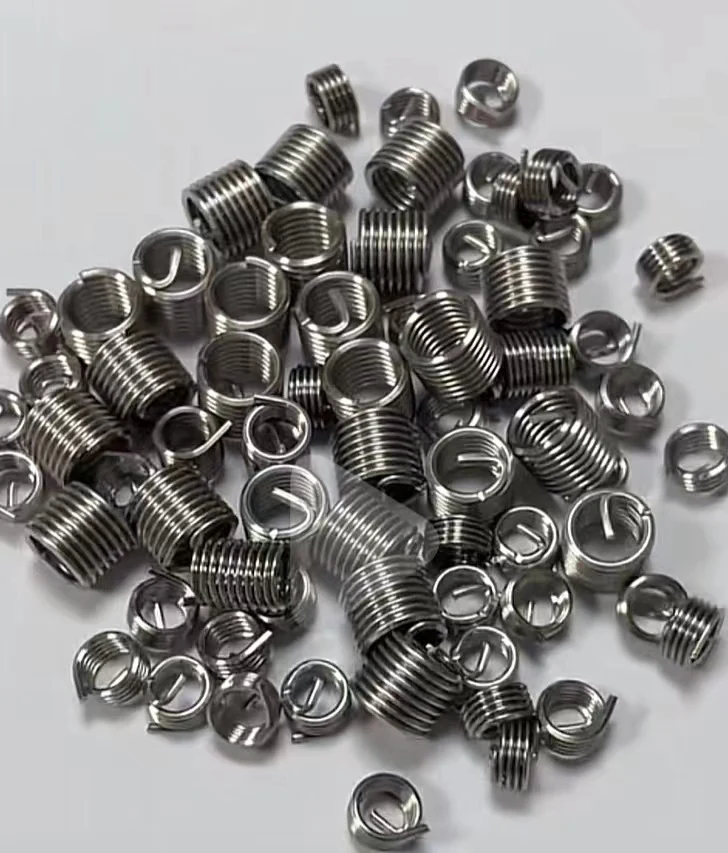 After
After
Case Overview
The customer’s stainless steel hardware and stamped parts had machining oil, fingerprints, dust and polishing wax residues after machining, stamping and polishing. After standard cleaning, oil film, local stains and water marks could still appear. Based on the stainless steel grade, contamination type and subsequent passivation requirements, Minghan Chemical provided a stainless steel degreasing and cleaning process to improve surface cleanliness and batch consistency.
Customer Challenge
Stainless steel hardware often has detailed structures, edges, holes and grooves where oil and polishing residue can remain. If cleaning is incomplete, it may affect appearance, packaging cleanliness and later passivation film stability. The customer needed better degreasing efficiency while avoiding base metal corrosion or loss of surface brightness, reducing re-cleaning and manual wiping.
Solution
Minghan recommended a process of stainless steel degreasing, rinsing, inspection and drying packaging. Sample testing was used to confirm cleaner concentration, temperature, treatment time and cleaning method. The process can be adapted to immersion, ultrasonic or spray cleaning. Thorough rinsing and timely drying help reduce residue, water marks and secondary contamination, providing a clean surface for subsequent passivation, assembly or packaging.
Result
After treatment, oil film, fingerprints and polishing residue on the stainless steel hardware were visibly reduced. Cleanliness in edges, holes and groove areas improved, and the overall appearance became more uniform. The cleaning process reduced re-cleaning and manual wiping, improving stability for subsequent passivation, packaging and batch shipment.
Implementation Process
Sample review
Confirm stainless steel grade, oil contamination, polishing residue, blind spots and cleaning target.
Degreasing cleaning
Match stainless steel degreasing cleaner concentration, temperature and treatment time based on contamination type.
Key area inspection
Check holes, edges, grooves and welded areas to confirm oil and polishing residue removal.
Rinsing control
Rinse thoroughly to reduce cleaner residue, water marks and secondary contamination.
Drying and packaging
Dry promptly and use clean handling methods to maintain the cleaned surface condition.
Case Information
Surface condition
Improved from oil film, fingerprints and polishing residue to a clean and uniform stainless steel surface
Cleaning performance
Improves degreasing results in edges, holes and groove areas
Process compatibility
Suitable for stainless steel stamped parts, hardware, polished parts and assembled components
Delivery value
Reduces re-cleaning and manual wiping, improving subsequent passivation, packaging and shipment stability
Related Industries
Related Products
Downloads
Stainless Steel Hardware Degreasing Case Brief
FAQ
Need to evaluate a similar process?
Share your material, current process and test target for product combination and sample validation support.